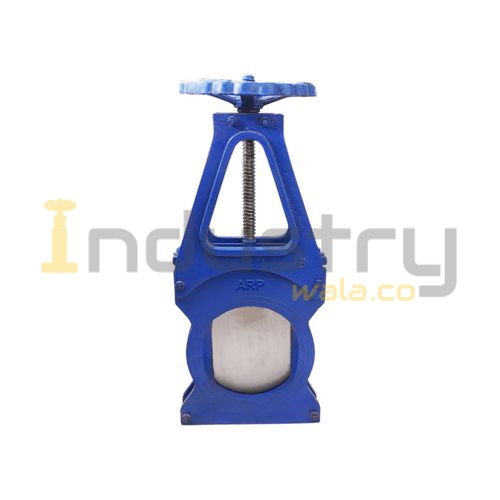
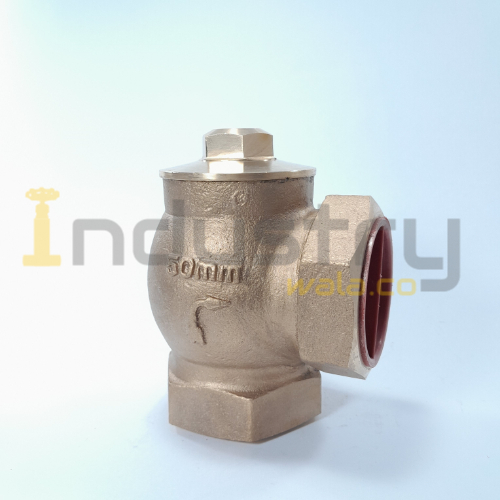
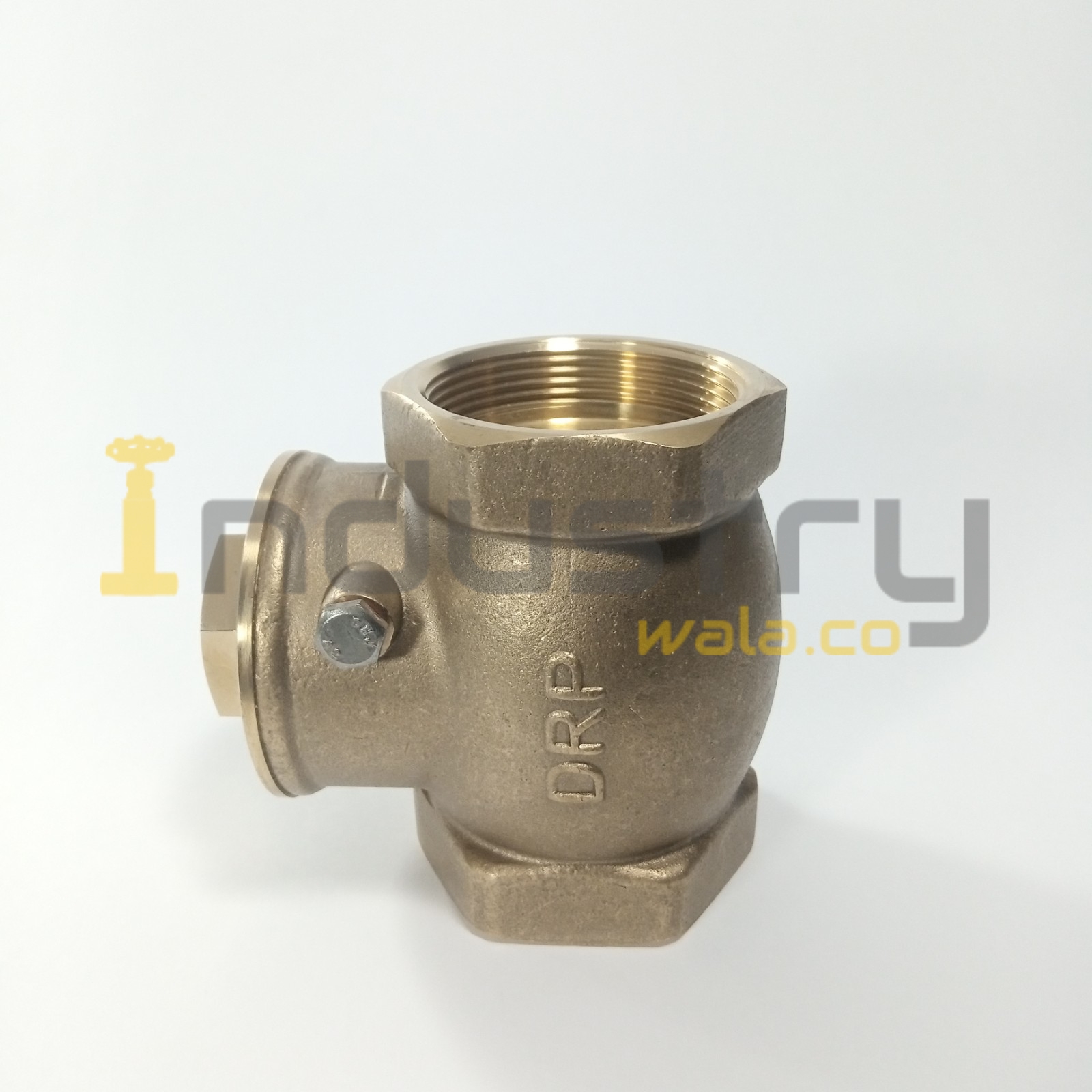
Gun Metal / Brass Swing Type Horizontal Check Valve
$68.08
$133.44
A check valve, also known as a one-way valve, allows fluid to flow in only one direction, ensuring smooth and safe system operation. The primary function of any check valve, including a horizontal check valve, is to prevent backflow in the system. These valves offer a cost-effective and efficient solution to avoid reverse flow problems. Backflow can be harmful, especially when contaminated fluid flows back into clean upstream media. For example, sewer lines use non-return valves to ensure waste exits properly without re-entering the original system. Check valve types Check valves function differently depending on their internal design. The most common among them is the spring-loaded in-line check valve, but several other types are widely used across industries. Spring-loaded in-line check valve This commonly used valve type features a simple working mechanism. As fluid enters the inlet, it must generate enough pressure to overcome both the spring force and the cracking pressure. This pushes the disc open and allows fluid to pass through. When flow pressure drops or back pressure develops, the spring pushes the disc back into the seat, shutting the valve. This design offers quick closing, helping prevent pressure surges in the line. Ball check valve A ball check valve uses a free-floating or spring-loaded ball resting on a tapered sealing seat. When inlet pressure exceeds cracking pressure, the ball lifts, allowing flow. If pressure drops or back pressure occurs, the ball returns to the seat—via gravity, back pressure, or a spring—sealing the orifice tightly and preventing reverse flow. Lift check valve A lift check valve contains a guided disc that lifts off the seat when cracking pressure is reached. The guide ensures precise vertical movement so the disc reseats accurately. Most lift check valves require the media to change direction by 90 degrees. For versions without a spring, proper mounting orientation is necessary to ensure gravity helps the disc close—especially important when installed as a horizontal check valve. Swing check valve Swing check valves—also known as tilting-disc or flapper check valves—have a hinged disc that swings open when inlet pressure rises and closes when pressure drops or backflow occurs. If there is no spring assist, installation angle is critical so gravity can help seal the disc properly. A dual-disc or double-door version features two semicircular plates hinged on a central pivot, providing faster response and reduced pressure drop. FAQs – Gun Metal / Brass Swing Type Horizontal Check Valve: 1. How does a horizontal check valve help maintain one-way flow in pipeline systems?The horizontal check valve uses a swing-type mechanism that automatically prevents backflow, ensuring smooth and reliable one-direction flow in water and industrial pipelines. 2. Is this horizontal check valve suitable for high-pressure applications?Yes, the gun metal/brass design offers excellent strength and corrosion resistance, making the horizontal check valve suitable for medium to high-pressure fluid systems. 3. Can the horizontal check valve be installed easily in existing pipelines?The swing-type design allows straightforward installation in standard horizontal pipelines, making the horizontal check valve compatible with most plumbing and industrial setups. 4. How does material selection improve the performance of a horizontal check valve?Gun metal and brass construction enhances durability, reduces wear, and provides long-term reliability, improving the overall performance of the horizontal check valve in various environments. SKU: beae7ed41406 Categories: Non IBR Boiler Valves, Non IBR Non Return / Check Valves Tags: brass, brass check valve, brass nrv, brass valve, brass valves, check valve, gun metal, gun metal valves, isi marked valve, non return, nrv, water valve