$38.08
$52.93
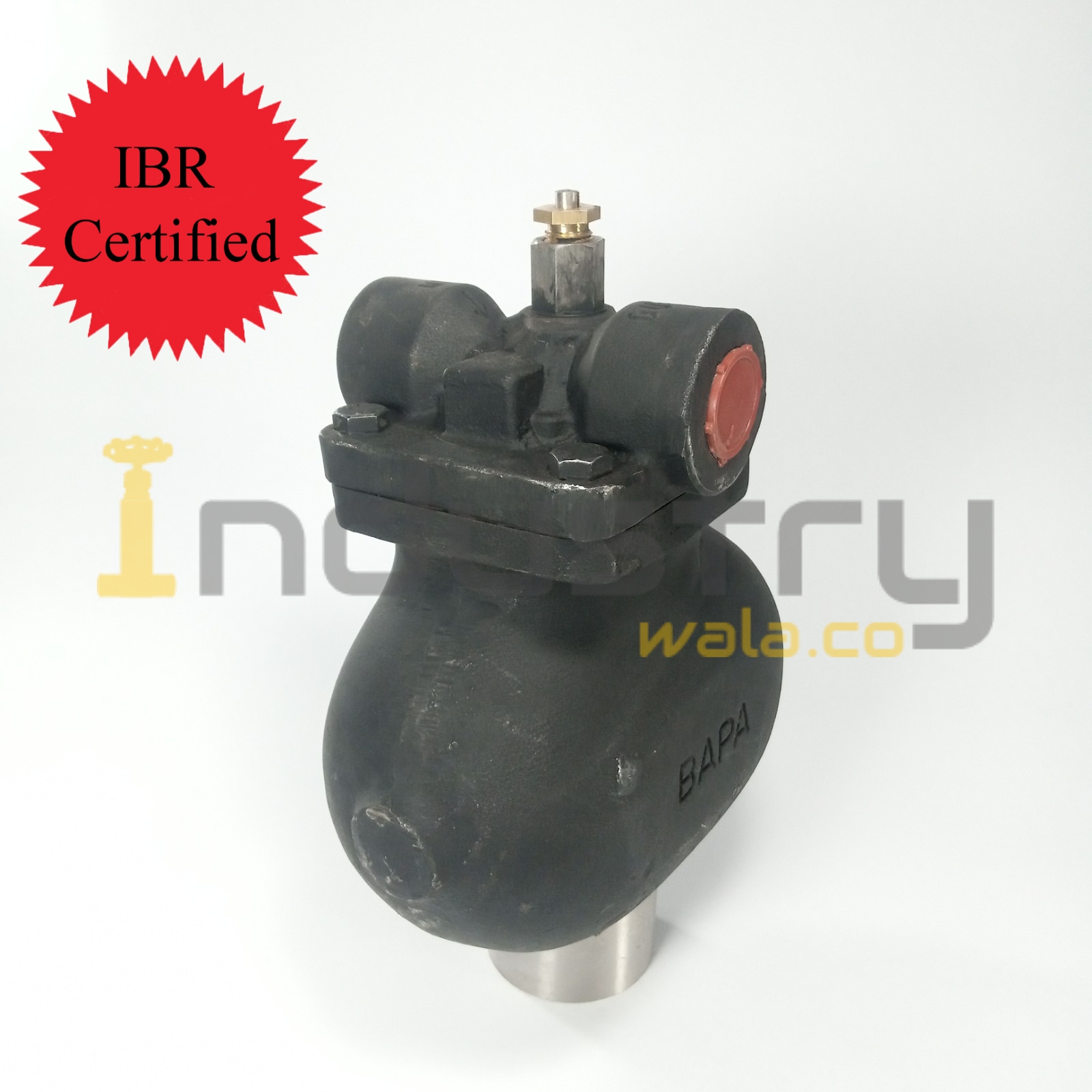
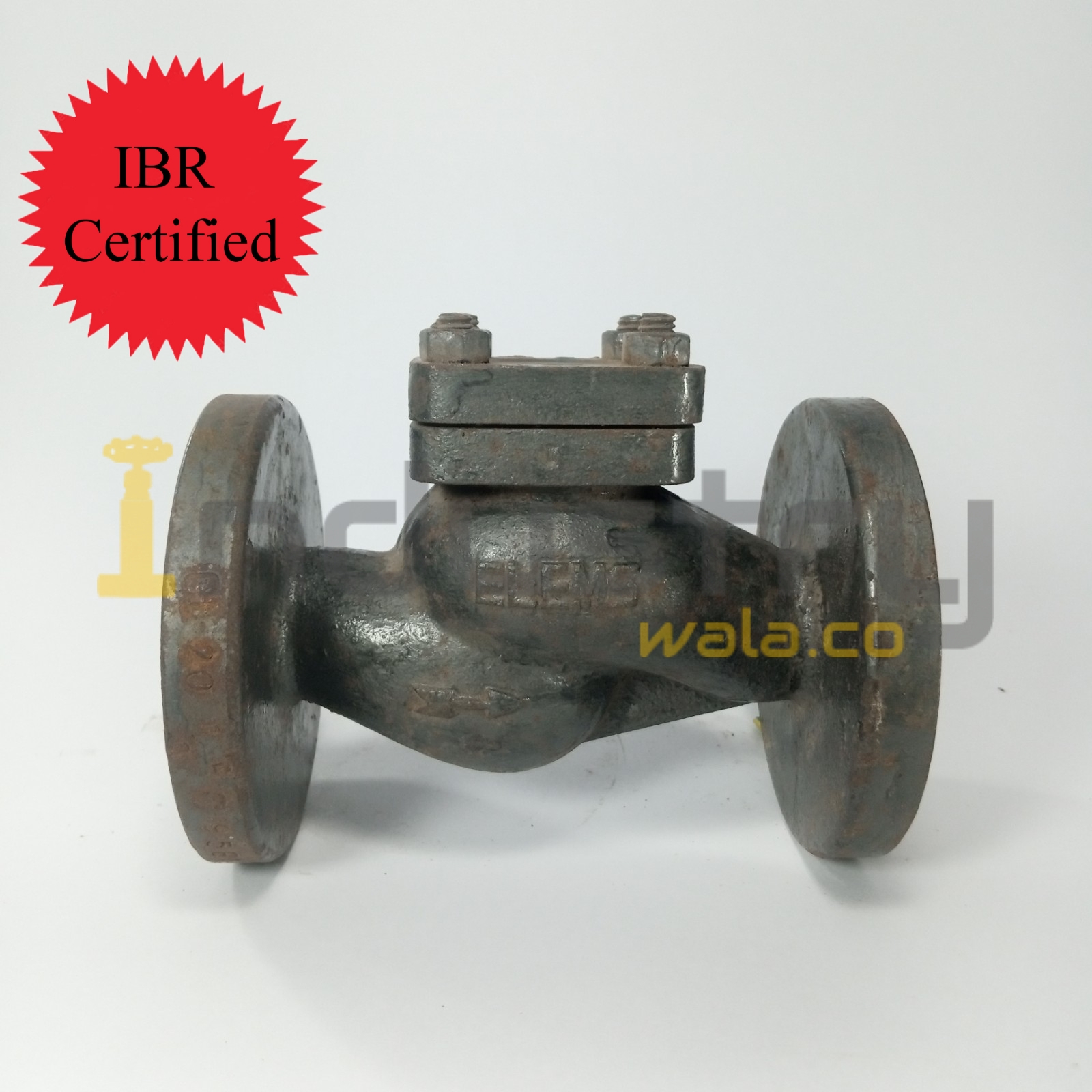
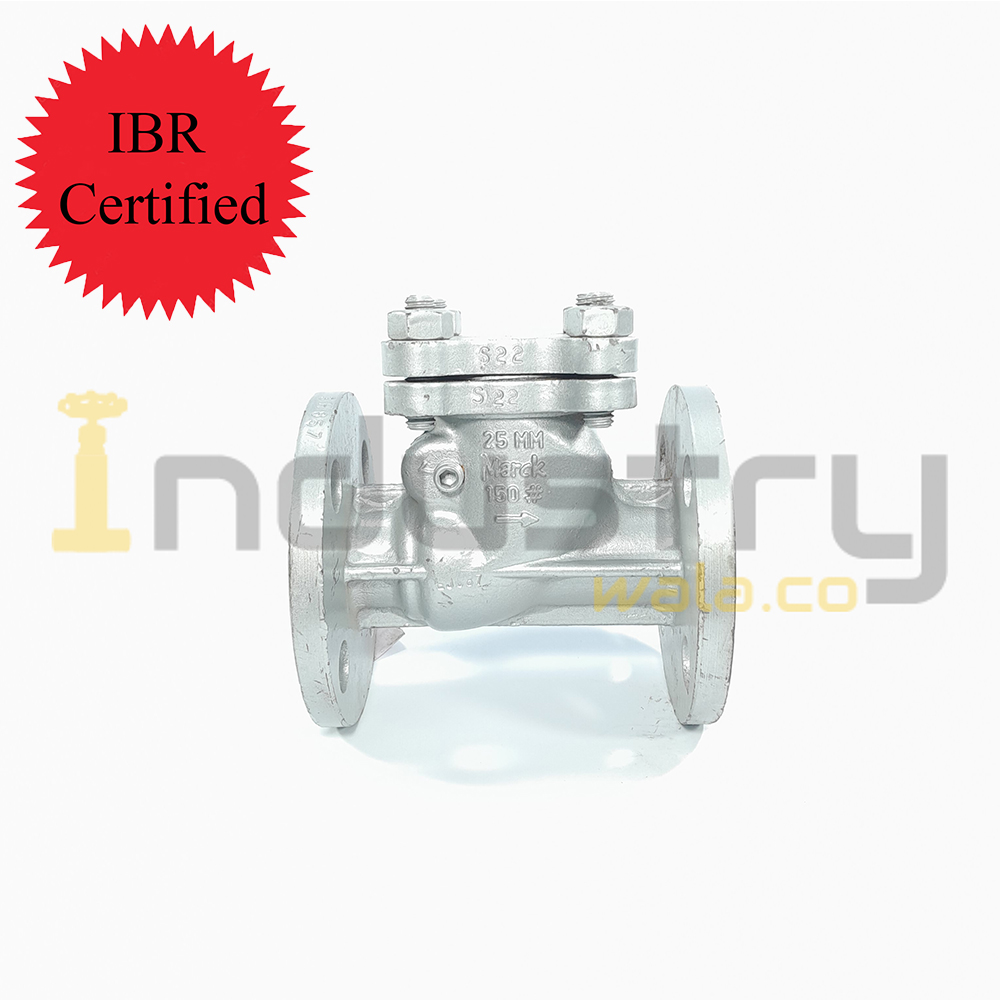
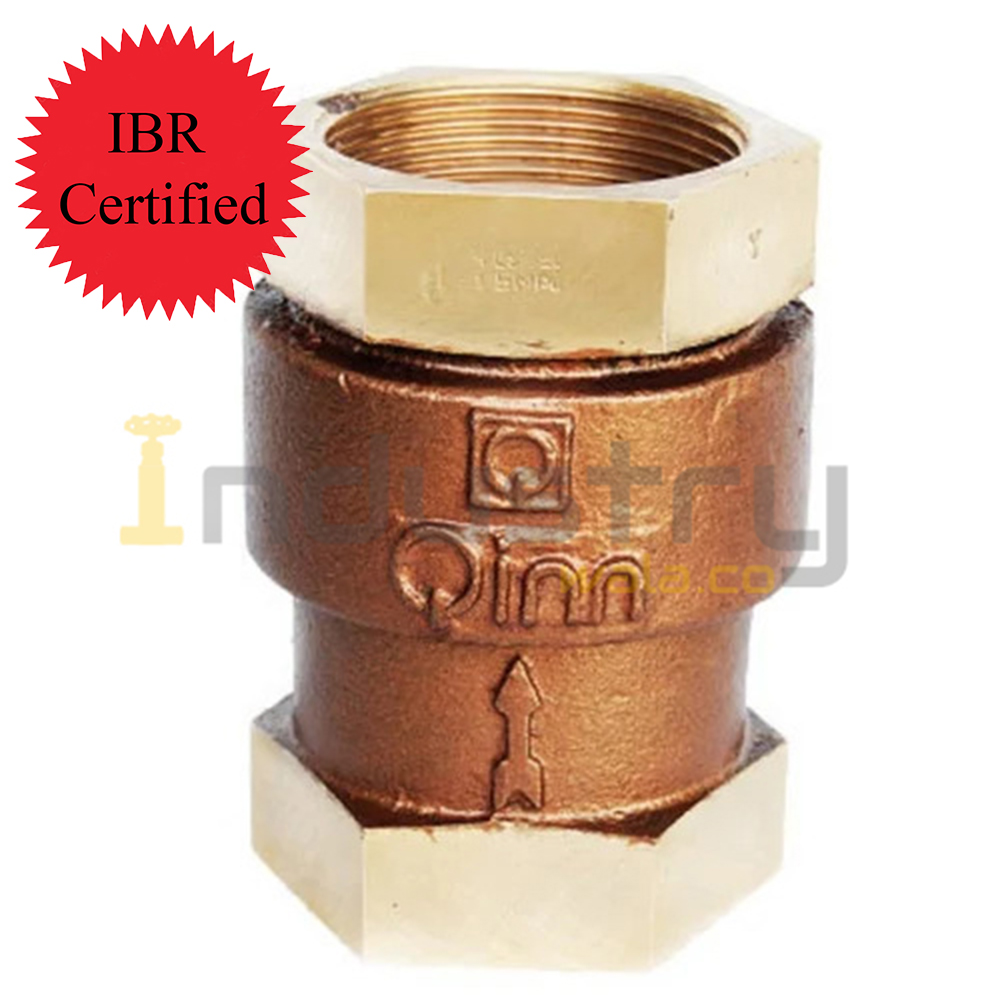
A check valve, also called a one-way valve, is a device that allows the flow of fluids to move only in one direction. The primary purpose of a check valve is to prevent backflow in the system. Check valves are cheap, effective, and easy solutions to a potential issue. Backflow can cause a problem if the flow is contaminated and, therefore, contaminates the media upstream. For example, a sewer line will have a non-return valve to ensure that waste can leave but not re-enter the system it came from. Check Valve Types Check valves operate differently depending on their design. The most common check valve is a spring-loaded in-line check valve; however, we will discuss multiple types below, including those suitable for use as a vertical nrv. Spring-Loaded In-Line Check Valve In-line spring-loaded check valves are common, easy to understand, and have a simple design. When flow enters the input port of the valve, it should have enough pressure (force) to overcome the cracking pressure and the spring force. The pressure pushes the disc, opening the orifice and allowing flow to move through the valve. When the input pressure is no longer high enough or there is enough back pressure, the back pressure and spring push the disc against the orifice and seal the valve shut. The spring, along with the short travel distance for the disc, allows for a quick reaction time for closing. This valve design also prevents pressure surges in the line and can function efficiently as a vertical nrv. Ball Check Valve A ball check valve uses a free-floating or spring-loaded ball that rests on the sealing seat to close the orifice. The sealing seat is normally conically tapered to guide the ball into the seat and create a positive seal, thereby stopping reverse flow. When the pressure of the fluid in the inlet side exceeds the cracking pressure, the ball is dislodged from its seat, which permits flow. When the inlet pressure doesn’t exceed the cracking pressure, or there is back pressure, the ball will close with the back pressure or via the spring, effectively closing the orifice. This type is frequently sold as a vertical nrv. Lift Check Valve A lift check valve consists of a guided disc that raises (lifts) off the valve seat to allow media flow. It requires a cracking pressure to overcome gravity and/or spring resistance. The guide keeps the disc in a vertical line to be re-seated with the correct alignment and seal. Most commonly, lift check valves force the media to make a 90-degree turn. If there is no spring to assist in closing, mounting orientation is important to consider to ensure that the disc swings shut with gravity. This is a common design used for a vertical nrv. Swing Check Valve Swing check valves are called ’tilting-disc’ or ‘flapper’ check valves. They have a disc on a hinge (or trunnion) that swings open with an inlet pressure. The disc swings shut as the inlet pressure decreases or if there is backflow. If there is no spring to assist in closing, mounting orientation is important to consider to ensure that the disc swings shut with gravity. A dual disk or double door check valve has a central disk that is split into two semicircular doors that function independently hinged on a central pivot point. FAQs for Bronze IBR Certified Vertical Non Return Valve: Q1: How does a vertical NRV help prevent backflow in pipelines?A vertical NRV allows fluid to flow in one direction while automatically preventing reverse flow, ensuring system safety and maintaining consistent pressure in vertical pipeline applications. Q2: Is a vertical NRV suitable for high-temperature and steam line applications?Yes, a bronze vertical NRV with IBR certification is ideal for high-temperature and steam line systems, offering reliable performance and compliance with boiler and pressure regulations. Q3: What installation position is required for a vertical NRV to work properly?A vertical NRV must be installed strictly in a vertical pipeline for proper functioning, allowing the internal disc to open and close smoothly with gravity and fluid flow. Q4: How often should a vertical NRV be inspected for maintenance?A vertical NRV should be inspected periodically for debris, disc wear, and seating condition to ensure efficient backflow prevention and long-term operational reliability. SKU: 40d68bcbfbc7 Categories: IBR Certified Boiler Valves, IBR Non Return / Check Valves Tags: brass check valve, brass nrv, bronze check valve, bronze nrv, check valve, IBR, ibr certified, ibr check valve, ibr nrv, nrv, spring check valve, steam check valve, steam nrv, vertical check valve, vertical nrv
Ibr Non Return / Check Valves