Harpies:
The Winged Monsters of Greek Mythology
The harpy has a way of sticking in the mind. Part bird, part woman, and entirely unpleasant, she hovers at the edge of Greek mythology as something more than a simple monster. Harpies are messengers, punishers, scavengers, and symbols all at once. They appear suddenly, cause misery, and vanish just as quickly, leaving behind a mess and a lingering sense that something divine has taken place.
They are not the most famous creatures in Greek myth. They do not have the star power of Medusa or the narrative weight of the Minotaur. Yet they show up in some of the strangest corners of the mythological world, performing tasks that feel less like brute force and more like a kind of cosmic nuisance with purpose.
Understanding harpies means looking past their grotesque appearance and into what they were meant to represent. They are creatures of wind, punishment, rumor, and fear. In many ways, they behave less like animals and more like consequences with wings.
Origins and Characteristics
The word “harpy” comes from the Greek harpyiai, which can be translated as “snatchers” or “seizers.” That name tells you almost everything you need to know about their role. Harpies take things. Sometimes that means food, sometimes people, and sometimes something less tangible, like peace of mind.
In early Greek sources, harpies are not always described as grotesque. In some of the oldest traditions, they are wind spirits, daughters of Thaumas and the Oceanid Electra, linked to storms and sudden gusts. This connection to the wind matters. It explains their speed, their unpredictability, and their habit of appearing out of nowhere to disrupt human life.
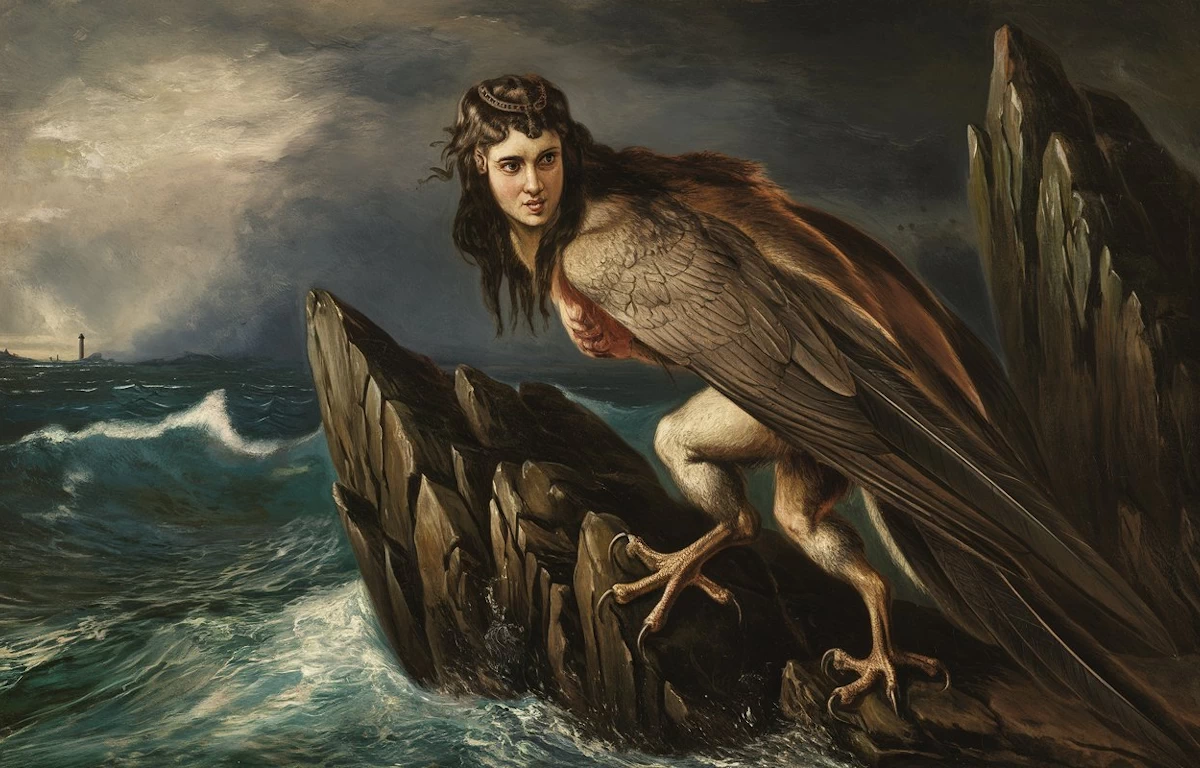
Over time, their image shifts. By the classical period, harpies become more visibly monstrous. They are described as having the body of a bird of prey with the face of a woman, often twisted into an expression of hunger or malice. Their claws are sharp, their wings broad, and their presence is usually accompanied by a foul stench. Ancient writers seem to agree on at least one detail: wherever harpies go, things rot.
This evolution from wind spirit to scavenging monster reflects a broader trend in Greek mythology. Abstract forces often become personified in ways that make them easier to visualize and fear. A sudden storm becomes a creature. A nagging misfortune becomes something with teeth and talons.
Harpies occupy an uneasy space between the divine and the bestial. They are not quite gods, yet they serve divine purposes. They are not mindless beasts either. They act with intent, usually under orders, and their actions often carry a moral edge. When a harpy appears, it usually means someone has done something wrong.
Famous Myths Featuring Harpies
One of the most well-known stories involving harpies comes from the tale of King Phineus. Phineus is a prophet who makes the mistake of angering the gods. Accounts vary on what exactly he did, which is typical for Greek myth, but the punishment is consistent. He is plagued by harpies.
Each time Phineus sits down to eat, the harpies swoop in. They snatch his food, devour what they can, and foul the rest. What they leave behind is inedible. The result is a slow, maddening form of starvation. Food is always within reach, yet never truly available.
This punishment is cruel in a very specific way. It denies satisfaction without removing hope. Phineus can see the meal, smell it, reach for it, and then watch it vanish or turn into something revolting. The harpies are not killing him outright. They are stretching out his suffering.
Relief comes when the hero Jason and the Argonauts arrive. Among them are the Boreads, sons of the North Wind, who have wings of their own. They chase the harpies away, driving them off and freeing Phineus from his torment. Some versions say the harpies are killed, while others claim they are merely banished. Greek myth often prefers ambiguity over neat endings.
Another appearance of harpies occurs in Virgil’s Aeneid, where they confront Aeneas and his men. The Trojans land on an island and begin preparing a meal. The harpies descend and ruin it, much like they did with Phineus. One of them, Celaeno, delivers a prophecy. She warns Aeneas that his people will suffer such hunger that they will eat their own tables before finding their destined land.
Here, the harpy functions as both nuisance and oracle. She disrupts the present and hints at the future. This dual role reinforces the idea that harpies are tied to forces beyond simple hunger or malice. They are agents of something larger, even when they behave like scavengers.
Harpies as Symbols of Chaos and Judgment
Harpies are often described as embodiments of chaos, but that chaos has a pattern. They do not appear randomly. They arrive when boundaries have been crossed or when punishment is due. In that sense, they act less like wild forces and more like enforcers.
Their connection to food is especially revealing. Eating is one of the most basic human activities, tied to survival and comfort. By interfering with meals, harpies attack a fundamental sense of security. They turn nourishment into frustration and disgust. This makes them effective symbols of deprivation and anxiety.
There is also a strong link between harpies and pollution, both literal and moral. Ancient texts emphasize the filth they leave behind. Food becomes contaminated, spaces become unlivable, and the air itself seems tainted. This physical corruption mirrors the moral corruption that often triggers their appearance.
In some traditions, harpies are associated with the Erinyes, or Furies, who punish crimes such as murder and betrayal. While the Furies pursue their victims with relentless focus, harpies operate in a more erratic fashion. They harass, disrupt, and degrade rather than hunt with precision. The effect is different, but the underlying idea is similar. Wrongdoing invites something unpleasant.
Harpies also carry a gendered aspect that becomes more pronounced over time. As creatures with female faces and predatory behavior, they fit into a broader pattern of mythological figures that combine femininity with danger. Sirens lure sailors to their deaths, Medusa turns onlookers to stone, and harpies descend to spoil and torment. These figures reflect anxieties that go beyond simple storytelling.
From Myth to Propaganda: Harpies in Political Imagination
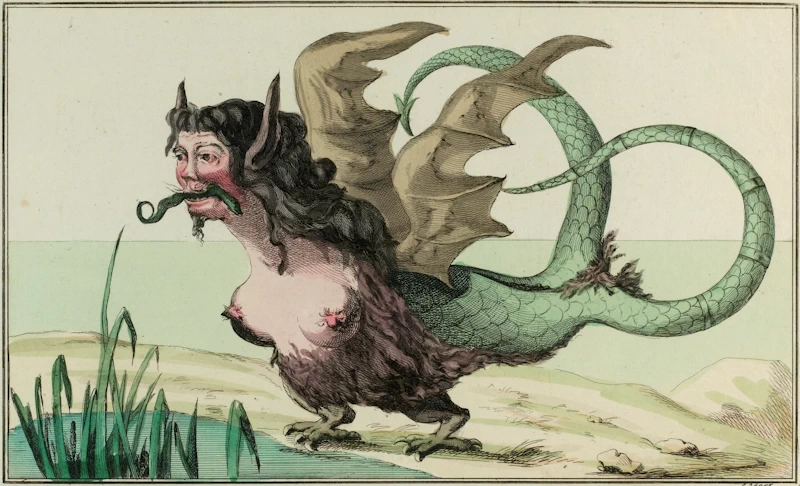
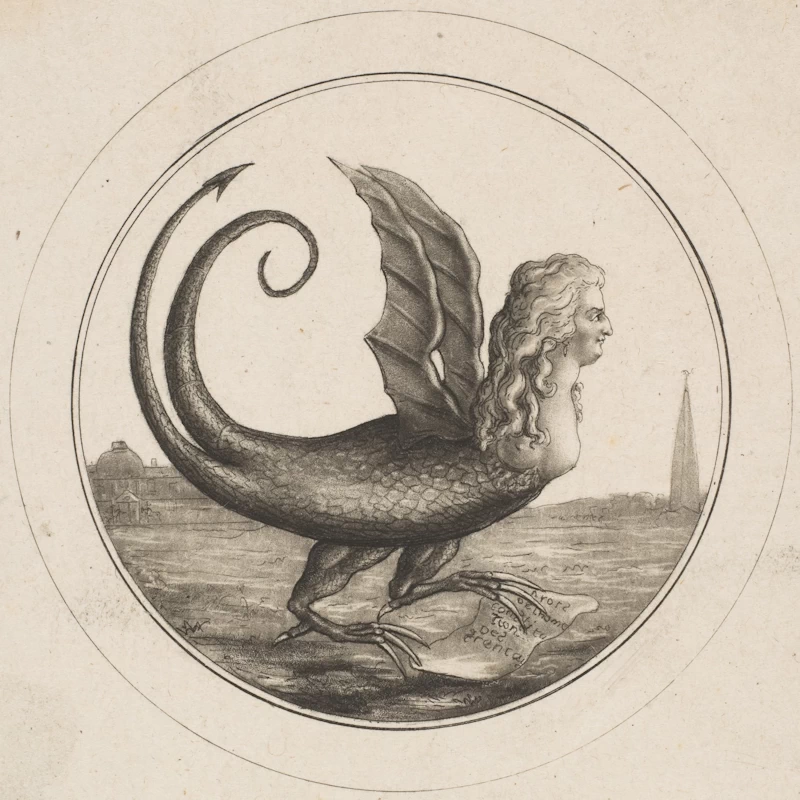
Harpies did not stay confined to ancient texts. Their imagery proved useful long after the original myths faded from everyday belief. During the French Revolution, political artists reached for familiar symbols to express anger and fear. The harpy, with its associations of greed and corruption, was an easy choice.
Marie Antoinette was a frequent target. In pamphlets and cartoons, she appeared with wings and talons, clutching at the wealth of France or feeding on its people. The message was blunt. She was cast as a creature that consumed resources and left ruin behind. It was a powerful visual shorthand, especially in a time when literacy was uneven and images carried enormous weight.
These depictions did not arise in a vacuum. Revolutionary propaganda relied on exaggeration and symbolism to shape public opinion. By transforming a queen into a monster, artists could strip away any remaining sympathy and present her as something that needed to be removed. The harpy served that purpose well. It suggested greed, decay, and a kind of unnatural appetite.
This pattern extends beyond one historical moment. Powerful women have often been depicted through monstrous imagery, whether as harpies, witches, or other threatening figures. Cleopatra and Catherine the Great both faced portrayals that emphasized excess and danger. The specific details change depending on the culture and era, but the underlying strategy remains consistent.
It would be too simple to claim that every such depiction follows the same logic, and the historical record is messy. Propaganda tends to mix genuine criticism with outright invention. Still, the repeated use of harpy-like imagery suggests a lingering association between femininity, power, and perceived disorder. The ancient creature finds new life as a political insult.
Anonymous (1784)
Anonymous (late 18th century)
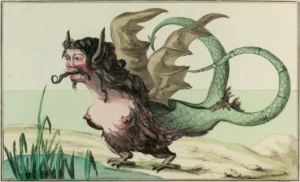
Anonymous (1784)
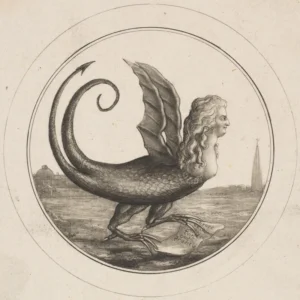
Anonymous (late 18th century)
Harpies in Modern Culture
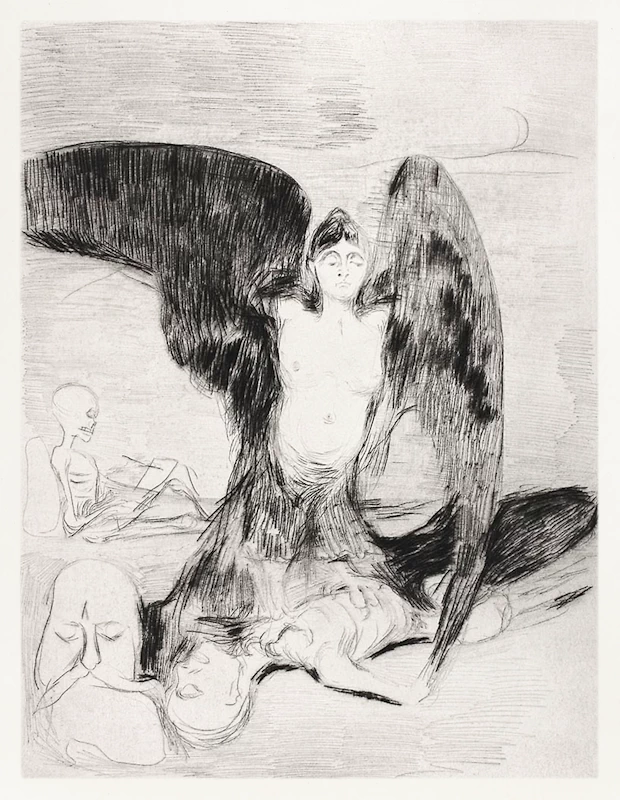
Harpies continue to appear in modern storytelling, though their role has shifted. In many cases, they are reduced to generic monsters, filling out the ranks of fantasy creatures that heroes must defeat. Video games, novels, and films often present them as airborne enemies with sharp claws and little personality.
This approach keeps the visual elements while stripping away much of the symbolic weight. The harpy becomes a design choice rather than a meaningful figure. Wings, talons, and a human face are striking enough to justify their inclusion, even if the deeper associations are ignored.
There are exceptions. Some modern interpretations return to the idea of harpies as agents of punishment or embodiments of natural forces. In these versions, they feel closer to their mythological roots. They are less like animals and more like manifestations of something abstract, whether that is guilt, hunger, or environmental imbalance.
The persistence of harpies in popular culture speaks to their flexibility. They can be terrifying or tragic, mindless or purposeful, depending on the needs of the story. That adaptability has helped them survive while more rigid mythological figures fade into obscurity.
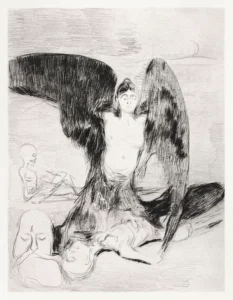
Edvard Munch (1894)
Edvard Munch (1894)
The Enduring Fascination with Harpies
Harpies endure because they tap into a specific kind of fear. They do not rely on overwhelming strength or clever tricks. Instead, they disrupt ordinary life in ways that feel uncomfortably plausible. Food spoils. Plans fall apart. Something goes wrong at the exact moment it matters most.
There is also a certain bleak humor to them. A creature that exists to ruin your dinner and make a mess of things feels almost petty, yet the consequences are severe. Greek mythology has room for grand battles and heroic quests, but it also has space for irritation elevated to divine punishment.
Their shifting portrayal over time adds another layer of interest. From wind spirits to monsters, from mythological agents to political symbols, harpies have taken on different meanings without losing their core identity. They remain creatures that take, spoil, and unsettle.
In the end, harpies are less about what they are and more about what they do. They arrive at the worst possible moment, make everything worse, and leave you dealing with the aftermath. That is a role that never goes out of style.