
Marie Antoinette and the Nipple:
Fashion, Exposure, and the Politics of the Body
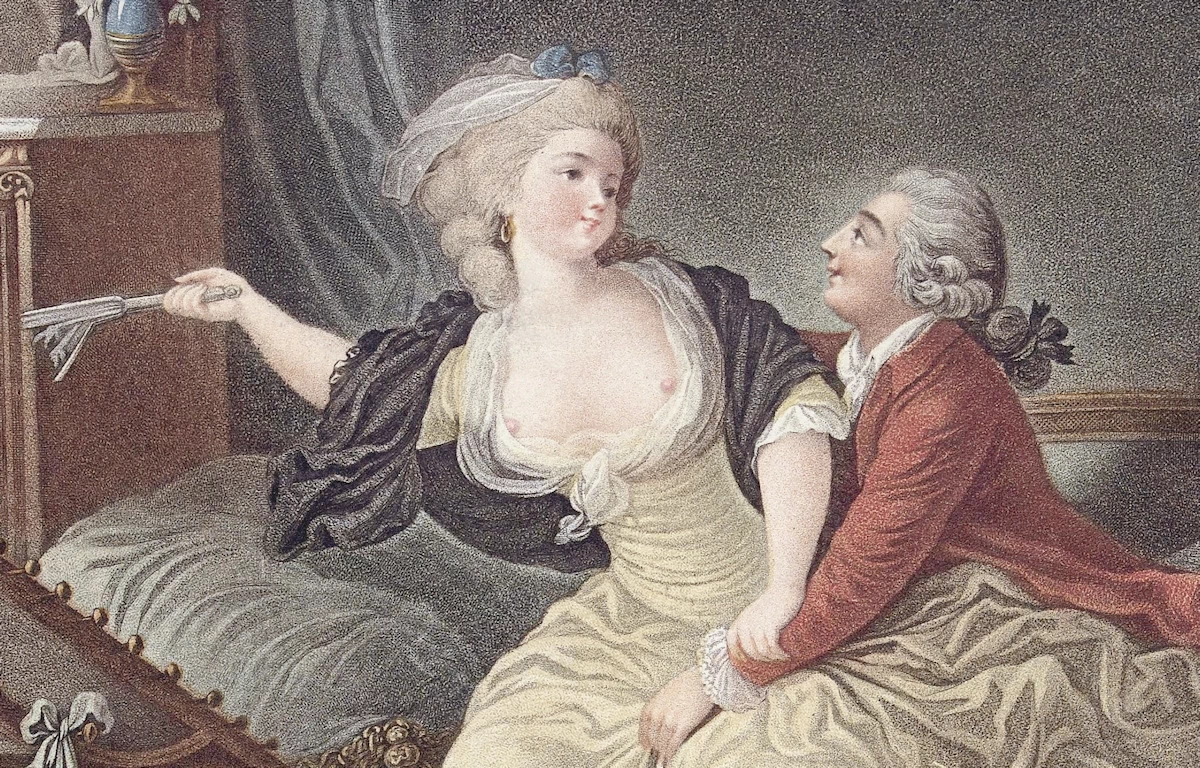
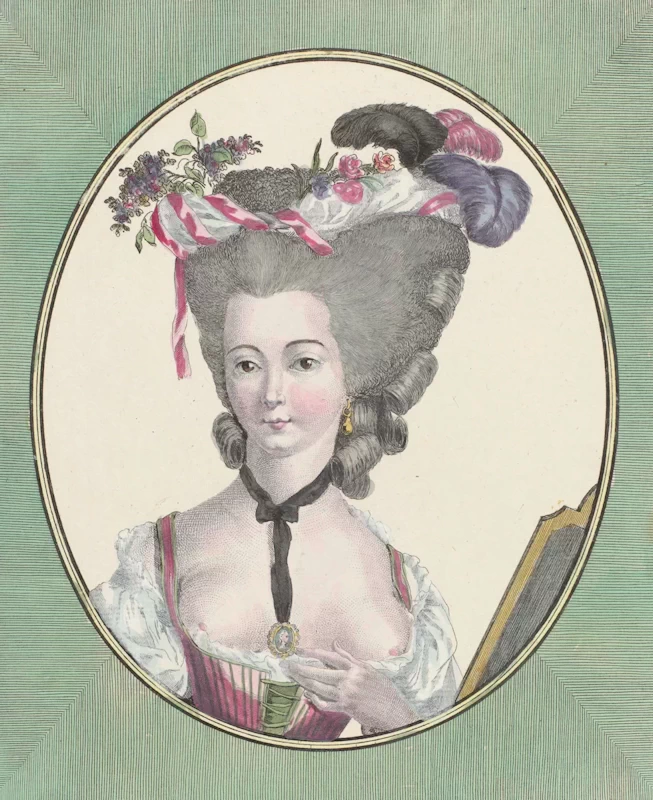
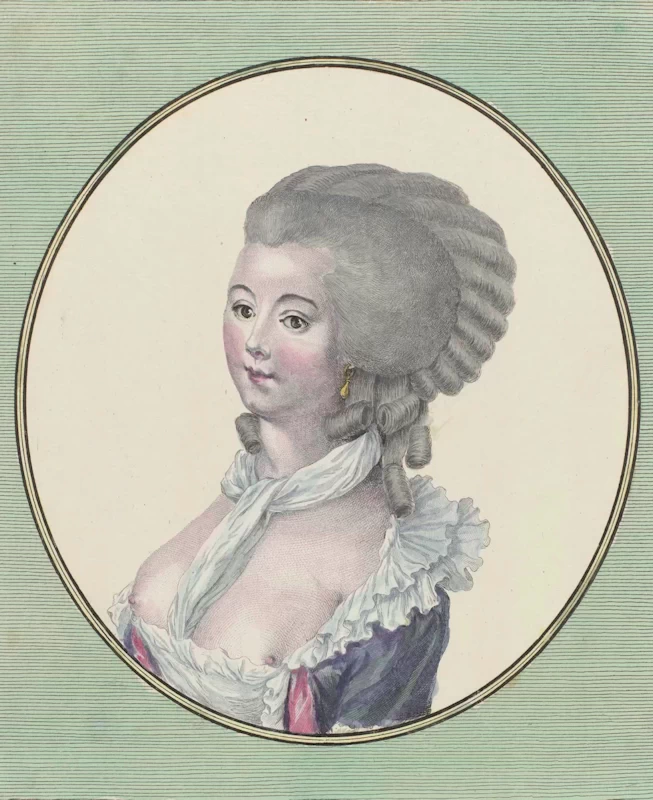
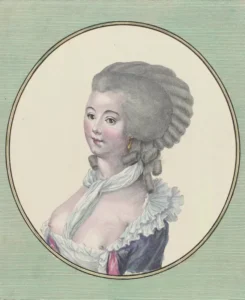
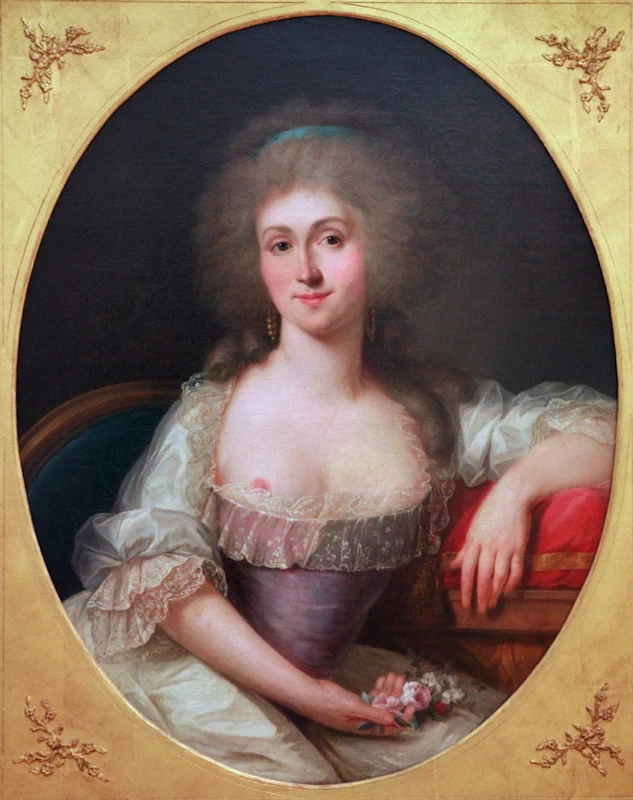
If a modern reader stumbles across portraits of late eighteenth century French aristocrats, the reaction is often confusion before anything else. Silk, lace, powdered hair, jewels, and then, abruptly, a visible nipple. It looks accidental, even indecent by contemporary standards, yet in its own time it could signal refinement, wealth, and an awareness of fashion’s shifting edge.
The detail that now draws clicks was once part of a broader visual language. To understand why it appears so often, and why it later vanished or was painted over, you have to step into a world where the female body was carefully staged, where clothing flirted with classical ideals, and where the line between elegance and exposure was constantly renegotiated.
The Art of the Décolleté
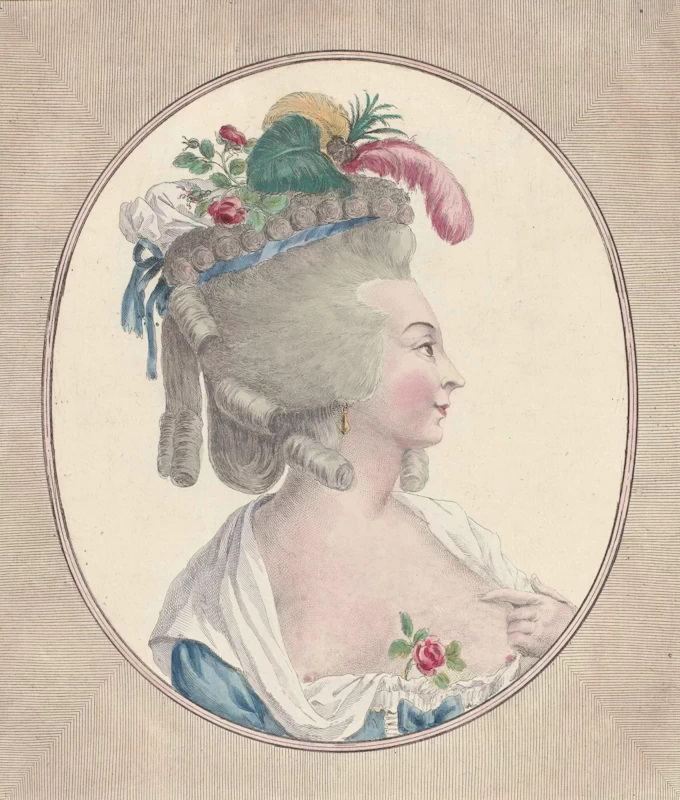
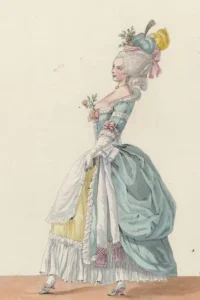
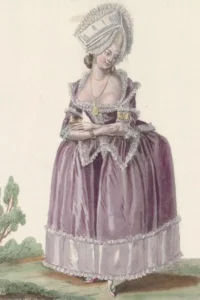
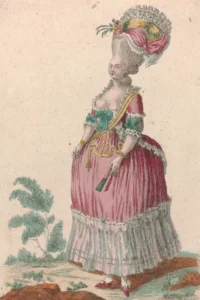
The low neckline did not arrive suddenly in the 1780s. It had been evolving for decades, shaped by court life at Versailles and by a culture that prized display as a form of social currency. The décolleté was a focal point of this display. It framed the upper chest, shoulders, and neck, which were considered among the most graceful parts of the body.
In portraits, the chest became a kind of stage. Skin was powdered to achieve a pale, even tone that signaled leisure and status. Veins might be faintly suggested in blue, a detail that reads oddly now but once implied delicacy. Jewelry rested along the collarbone or just above the breasts, drawing the eye to the area without overwhelming it.
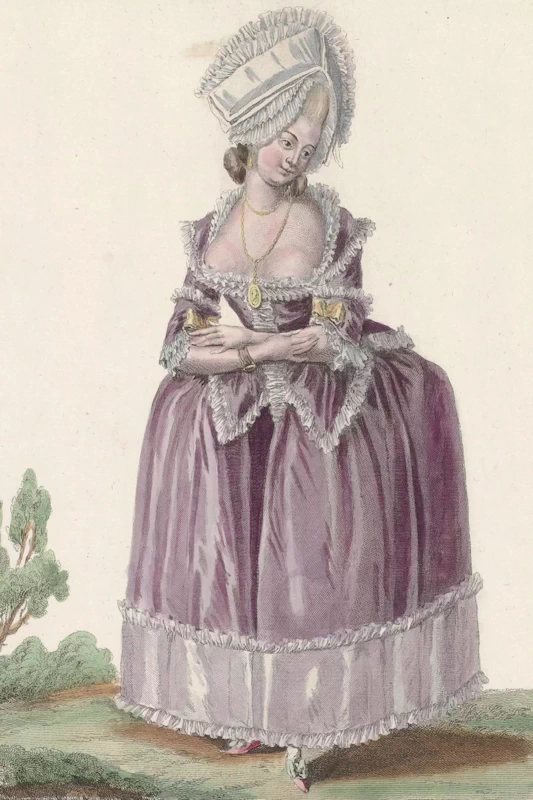
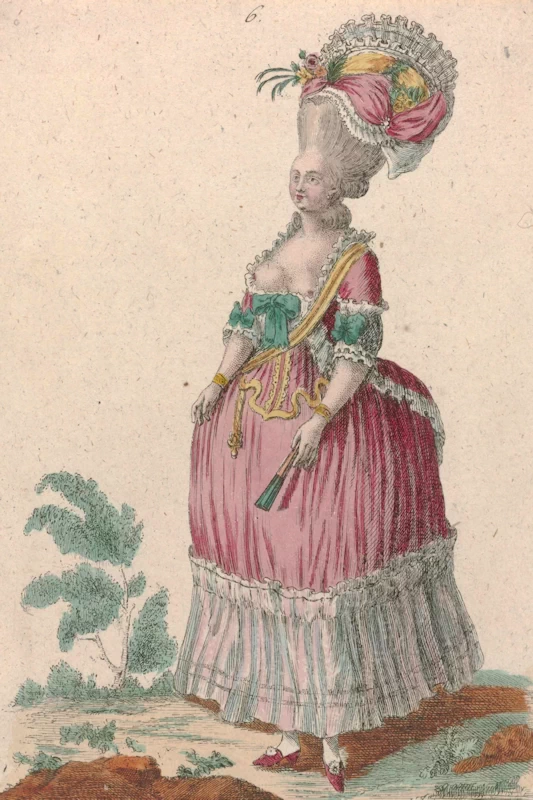
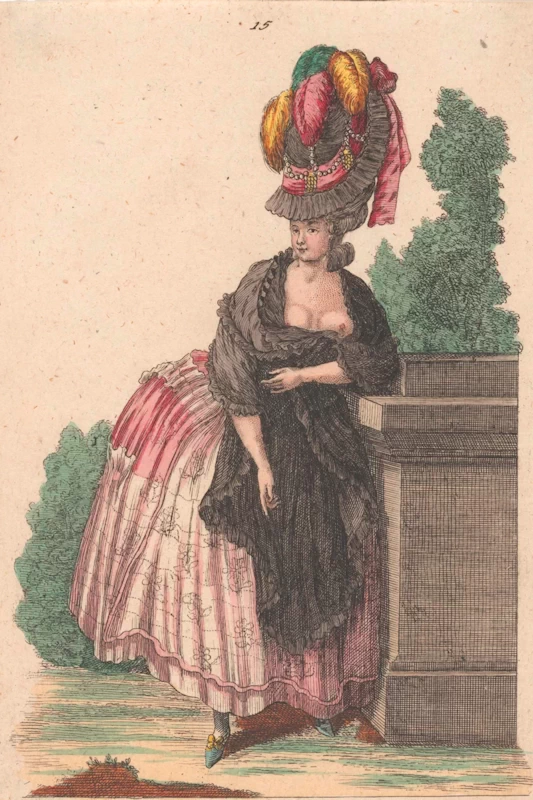
The exposure could be considerable. Gowns were cut low enough to reveal much of the breast, sometimes pressing and shaping it into a rounded form that sat high on the bodice. In some cases, the fabric slipped or was painted as if it had slipped, allowing the nipple to appear. This was not the norm for everyday dress, but it was not shocking within certain artistic and elite contexts.
The key point is that this exposure was controlled. It was part of an aesthetic system. The body was not shown as raw or uncontrolled, but as composed, arranged, and framed. The nipple, when visible, was less about erotic display in a modern sense and more about pushing the boundary of what refinement could include.
Marie Antoinette herself moved within this system. As queen, her clothing choices carried political weight. Her wardrobe was vast and carefully managed, yet she also became associated with styles that emphasized softness and a certain naturalness, especially in her later years. This tension between artifice and simplicity played out in the cut of her gowns as much as in their materials.
Engineering the Silhouette
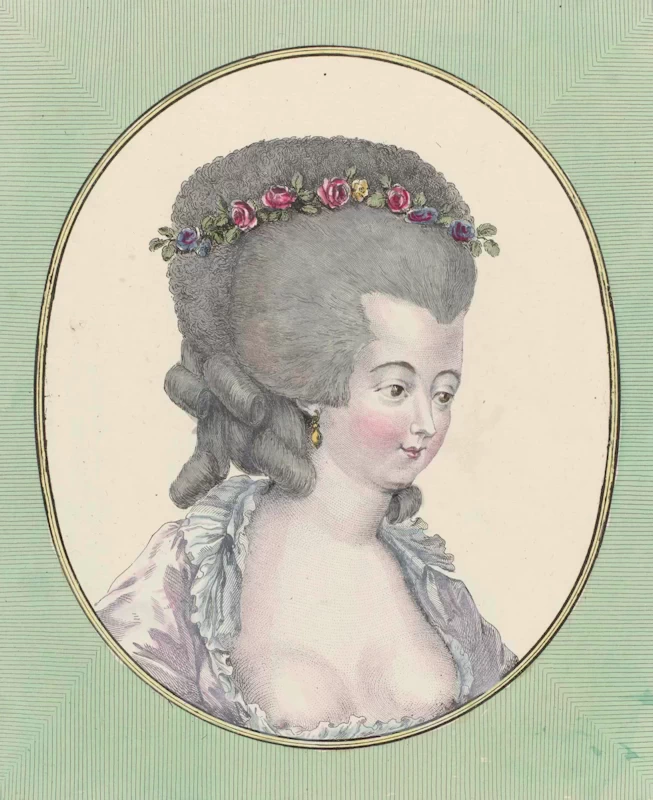
The appearance of effortlessness in these portraits hides a great deal of technical work. Eighteenth century dress relied on undergarments to shape the body into the desired form. Stays, the precursor to the modern corset, lifted and supported the bust, creating the high, rounded shape seen in paintings. They did not squeeze the waist into the extreme hourglass often imagined, but they did control posture and distribute the body’s weight.
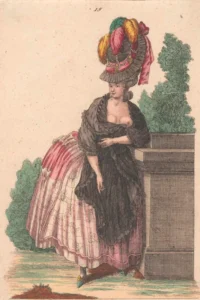
The gown itself worked with these foundations. The bodice was fitted tightly, often laced at the back, and cut low in the front. The fabric could be arranged to emphasize the curve of the breasts, sometimes with a slight tension that suggested movement or slippage. In reality, the garment was usually more secure than it appeared.
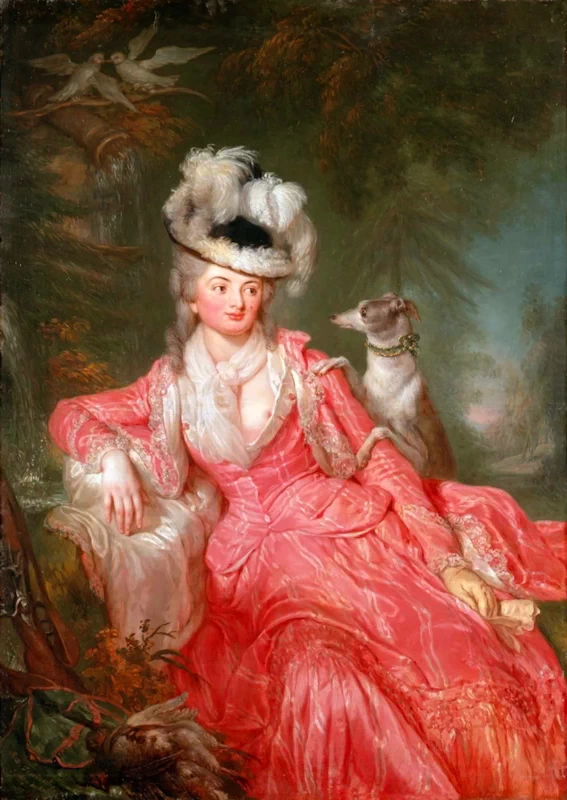
Accessories added another layer of illusion. Fichus, light scarves or kerchiefs, could be tucked into the neckline to provide modesty when needed. Their presence in some portraits and absence in others tells you a great deal about how the sitter wanted to be perceived. Removing the fichu exposed more skin and shifted the tone of the image from polite to daring.
Cosmetics also played a role. Rouge was applied not only to the cheeks but sometimes to the upper chest, creating a visual continuity that drew attention downward. Powder and scent completed the effect. The body became an extension of the garment, treated with the same care and intention.
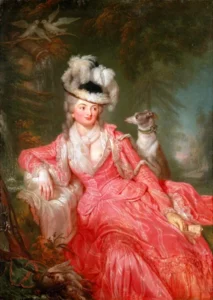
Between Court and Pastoral Fantasy
By the 1780s, a shift was underway. The elaborate court dress associated with Versailles began to compete with a softer, more relaxed style influenced by ideas of nature and simplicity. This is where Marie Antoinette’s image becomes especially important.
Her adoption of the chemise à la reine, a lightweight muslin dress inspired by undergarments, caused a minor scandal when it was first displayed in portrait form. Critics argued that it looked too informal, even improper for a queen. Yet the style caught on, precisely because it suggested a kind of natural grace that the heavier silks could not.
This new fashion did not eliminate the décolleté. It altered its meaning. The exposed skin now belonged to a body that was meant to appear less constrained, more in tune with nature, even if that appearance was carefully constructed. The nipple, when it appeared in art, could be framed within this softer aesthetic, making it seem less like a deliberate provocation and more like an incidental detail.
At the same time, classical influences were growing stronger. Artists and designers looked to ancient Greece and Rome for inspiration, where draped garments and idealized bodies dominated. In this context, the partially exposed breast could be justified as a reference to antiquity rather than as a contemporary indulgence.
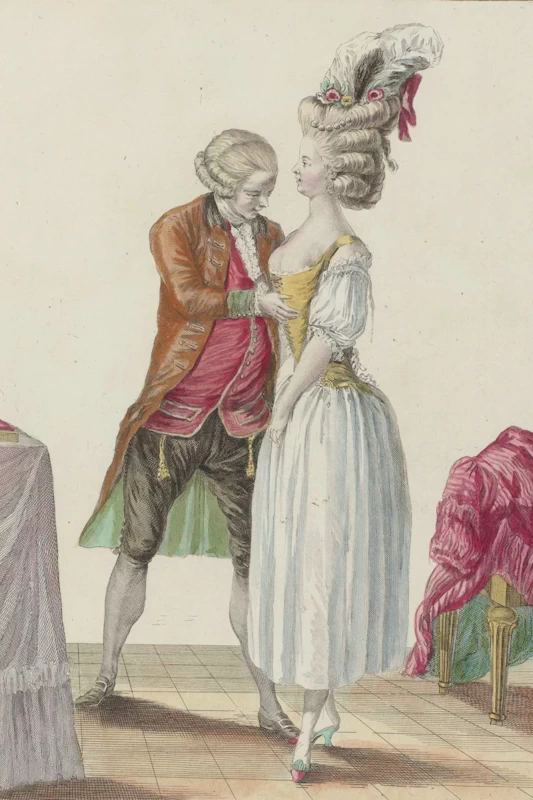
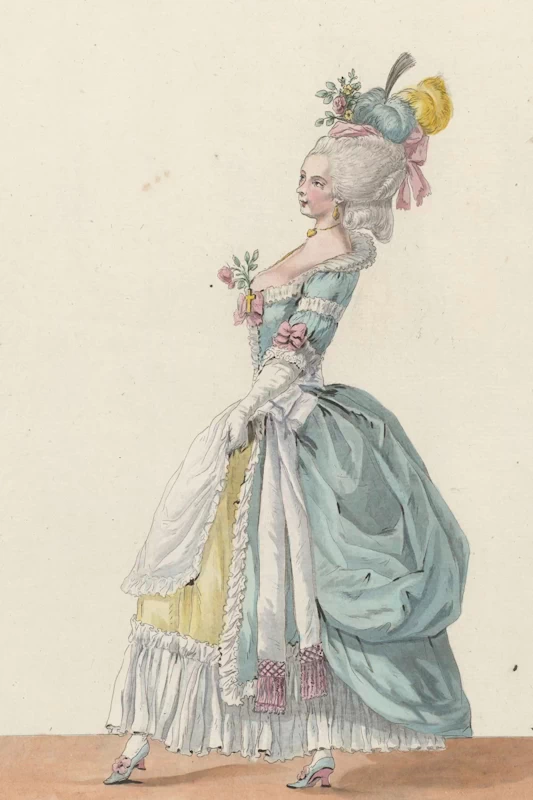
Painting, Censorship, and the Uneasy Eye
What later generations did with these images is as revealing as the images themselves. As social norms shifted in the nineteenth century, the casual exposure seen in some eighteenth century portraits began to look improper. The same paintings that once circulated in elite circles now faced a more cautious audience.
Censorship took several forms. In some cases, artists or restorers added fabric where none had existed, raising a neckline or inserting a discreet layer of lace. In others, the nipple was softened, blurred, or removed entirely. These changes were not always documented, which means that what survives today can be a mixture of original intent and later intervention.
Print culture amplified the effect. Engravings based on paintings often modified details to suit the expectations of a broader public. A neckline might be adjusted, a shadow deepened, a highlight reduced. The result was a version of the image that aligned with contemporary standards while still trading on the prestige of the original.
This process reflects a broader discomfort with the body as a site of display. What had once been acceptable within a specific social and artistic framework became awkward when that framework disappeared. The nipple, once a controlled detail within a larger composition, turned into a focal point that demanded explanation or concealment.
Revolution and Restraint
The French Revolution did not simply change politics. It reshaped attitudes toward luxury, excess, and the visible markers of aristocratic life. Clothing became a target. The elaborate styles of the court were associated with a regime that many now rejected.
In this climate, simplicity gained moral weight. Dress that appeared modest and restrained could signal virtue and alignment with new republican ideals. The body was still present, but it was framed differently. Exposure that once suggested refinement could now be read as frivolous or even suspect.
Fashion did not become plain overnight. Trends shifted gradually, and elements of earlier styles persisted. Yet the direction was clear. High waisted gowns, lighter fabrics, and a more vertical silhouette began to replace the structured forms of the previous decades. The focus moved away from the chest as a site of display and toward a more generalized notion of grace.
Marie Antoinette did not live to see these changes fully unfold, but her image became entangled with them. To her critics, she represented excess and detachment. To others, she remained a symbol of elegance and taste. The garments she wore, and the way her body was presented in art, became part of this contested legacy.
What Remains
The persistence of these images today says something about how fashion history is remembered. The exposed nipple in an eighteenth century portrait is easy to isolate and circulate. It grabs attention, and it translates poorly without context. Yet it is only one element in a complex system of dress, art, and social meaning.
Look more closely, and the detail becomes less surprising. It sits alongside the cut of the gown, the structure beneath it, the cosmetics on the skin, and the expectations of the audience. Remove any one of these, and the image changes. Remove the context entirely, and it becomes a curiosity.
The later attempts to censor or adjust these images add another layer. They remind us that fashion is never fixed. What one era presents with confidence, another may try to hide. The body itself does not change, but the rules governing its display do, often in ways that reveal more about the observer than the subject.
In the end, the fascination with Marie Antoinette and the occasional glimpse of a nipple is less about scandal than about translation. It is the friction between two sets of norms, two ways of seeing the body and its place in society. The eighteenth century made its choices with a certain logic and consistency. The nineteenth century revised them. The present day reacts to both, often without realizing how much has been lost in the process.
If the detail still feels striking, that is partly the point. It marks the distance between then and now, and it hints at a time when elegance could include exposure without collapsing into embarrassment. Understanding that balance requires more than a glance. It asks for a closer look at the fabric, the structure, and the shifting rules that held it all together.
Bonus Trivia
There is a legend that coupe glasses, which today are used for various mixed drinks, were modeled from Marie Antoinette’s (left) breast. It isn’t true however. The coupe glass was designed a hundred years before to serve champagne and sparkling wines.


One Comment
Comments are closed.