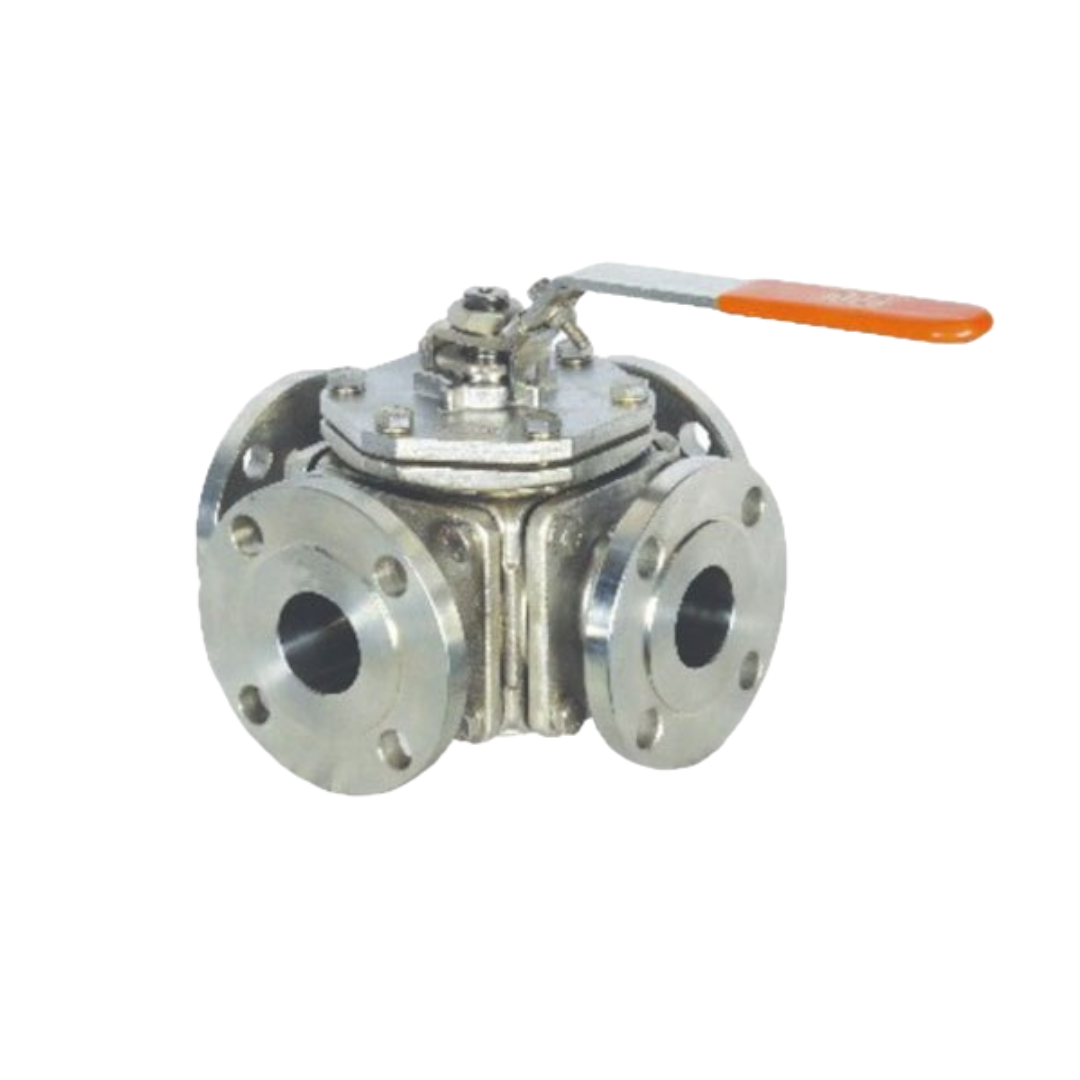
Polypropylene (PP) Ball Valve
$65.63
$88.6
A ball valve is a shut-off valve that controls the flow of a liquid or gas by means of a rotary ball having a bore. By rotating the ball a quarter turn (90 degrees) around its axis, the medium can flow through or be blocked. Ball valves are characterized by a long service life and provide reliable sealing over their lifespan, even when the valve is not in use for a long time. As a result, they are more popular as a shut-off valve than, for example, the gate valve. Polypropylene valves are a specific type of ball valve, made from highly durable, corrosion-resistant plastic, making them ideal for applications involving chemicals, water treatment, and low-pressure systems. CS ball valves (Cast Steel) are a kind of metal ball valve that is formed by pouring liquids into a mold and then allowing them to solidify. Alloy steel is the most common casting material. Cast steel is divided into cast carbon steel, cast low alloy steel, and cast special steel. Cast steel refers to a steel casting produced by a casting method. Cast steel is mainly used to make parts that are complex in shape, difficult to forge or cut, and require high strength and plasticity. These metal ball valves are typically available in three-piece construction. They offer full flow with minimum turbulence and can balance or throttle fluids. The ball moves from closed to full open in a quarter of a turn (90 degrees) of the shaft and are therefore referred to as a quarter-turn ball valve. Flanged Ball Valves Flanged ball valves are characterized by their connection type. The ports are connected to a piping system via flanges that are usually designed in accordance with a certain standard. These valves provide a high flow rate since they typically have a full-bore design. When choosing a flanged ball valve, besides the pressure rating, you also have to check the flange compression class, which indicates the highest pressure this connection type can withstand. These ball valves are designed with two, three, or four ports. They can be approved for specific media, have an ISO-top, and everything else a standard quarter-turn valve could have. They are typically made out of stainless steel, steel, or cast iron, though some specialized flanged versions may also be available for polypropylene valves in non-metal applications. For different types of ball valves, click here. FAQs for Polypropylene (PP) Ball Valve: How do polypropylene valves perform in corrosive fluid applications?Polypropylene valves provide excellent chemical resistance, making them ideal for handling corrosive fluids, acids, and alkaline solutions in industrial and agricultural systems. Are polypropylene valves suitable for water supply and irrigation lines?Yes, polypropylene valves are lightweight, durable, and resistant to scale buildup, making them perfect for water supply, irrigation, and low-pressure flow control systems. Can polypropylene valves withstand outdoor environmental conditions?Polypropylene valves offer strong UV stability and weather resistance, ensuring long-lasting performance in outdoor pipelines and exposure to sunlight or moisture. What maintenance is required for polypropylene valves in routine operations?Maintenance of polypropylene valves includes periodic cleaning, checking for debris inside the ball mechanism, and ensuring smooth handle movement for consistent flow control. SKU: a65e702dc7d3 Categories: Manual Valves, 2 way Ball Valves, Ball / Gate / Globe Valves, Ball Valves Tags: ball valve, polypropylene ball valve, polypropylene valve, pp ball valve, pp valve, valve
Ball Valves